

How to Choose a Fuel-Efficient Vehicle for Vermont Driving
The right fuel-efficient vehicle for Vermont driving is not always the smallest car or the highest MPG number. It is the vehicle that helps you spend less on fuel while still giving you the traction, space, comfort, and capability your daily life requires.
At Nucar Vermont in St. Albans, shoppers can compare new Ford, Chrysler, Dodge, Jeep, Ram, and pre-owned vehicles in one local shopping experience. That matters because fuel efficiency looks different for different drivers. A commuter heading down I-89 may need something very different from a family in Franklin County, a truck owner near Fairfax, or a driver who wants to charge an EV at home.
What Is the Best Fuel-Efficient Vehicle for Vermont Driving?
For many Vermont drivers, the best fuel-efficient vehicle is a hybrid or efficient gas SUV if they need all-weather flexibility, a compact car if they mostly commute, a plug-in hybrid if they can charge regularly but still want gas-engine backup, or an EV if their daily route and charging access are predictable. Truck shoppers should compare hybrid, smaller-truck, and full-size powertrain options based on towing, payload, 4×4 needs, and weekly mileage.
Fuel savings should support the way you drive, not make the vehicle harder to live with. Before choosing your next car, SUV, truck, hybrid, plug-in hybrid, or EV, think about your commute, parking setup, winter driving needs, passenger space, cargo demands, and how often you take longer trips.
Fuel-Efficient Vehicle Matchmaker for Vermont Drivers
| Driver Need | Strong Options to Compare | Why It Works |
| Long commute | Efficient gas car, hybrid, or EV | Helps lower daily energy costs while keeping comfort important |
| Family errands and winter driving | Hybrid SUV or efficient AWD SUV | Balances space, traction, and fuel economy |
| Rural roads or camp access | AWD SUV, 4×4 SUV, or fuel-conscious truck | Keeps ground clearance and capability in the decision |
| Towing or property work | Hybrid truck, midsize truck, or full-size truck with the right powertrain | Matches efficiency goals to real work needs |
| Home charging available | EV or plug-in hybrid | Lets more local miles happen on electricity |
| Budget-focused upgrade | Used fuel-efficient car, SUV, hybrid, or EV | May lower both purchase cost and fuel cost |
| Mixed daily driving | Gas SUV, hybrid, or plug-in hybrid | Gives flexibility for errands, commuting, and longer drives |
What Fuel Efficient Really Means in Vermont
A fuel-efficient vehicle should fit the roads, seasons, and routines you actually deal with. In Vermont, that can mean winter traction, mud-season roads, hilly routes, cold starts, cargo space, and longer stretches between stops.
For some drivers, fuel efficient means a compact gas car with strong MPG ratings. For others, it means a hybrid SUV with available all-wheel drive. A plug-in hybrid can make sense for someone who can charge at home in Swanton or Georgia but still wants gas-engine flexibility for longer trips. An EV may be a great fit for a predictable commute around St. Albans, Milton, or Burlington when charging is easy to work into the routine.
The right question is not simply, “Which vehicle gets the best mileage?” A better question is, “Which vehicle gives me the lowest practical operating cost without giving up what I need?”
Efficient Gas Vehicles Still Make Sense for Many Drivers
A fuel-efficient gas car or SUV is often the simplest way to reduce fuel use without changing your routine. You fuel up the same way, drive the same way, and avoid planning around charging access.
An efficient gas vehicle may be a strong fit if you:
- Drive longer distances where charging stops would be inconvenient
- Park outside or do not have reliable home charging
- Want a lower-cost pre-owned option
- Need a second vehicle for errands, school, or commuting
- Prefer familiar maintenance and refueling habits
This is especially useful for drivers who want a practical commuter vehicle for Route 7, I-89, or weekday driving between St. Albans and nearby communities. A used sedan, hatchback, compact SUV, or crossover may offer a smart balance of lower purchase cost and better fuel economy than a larger vehicle.
Hybrids Are a Strong Everyday Solution
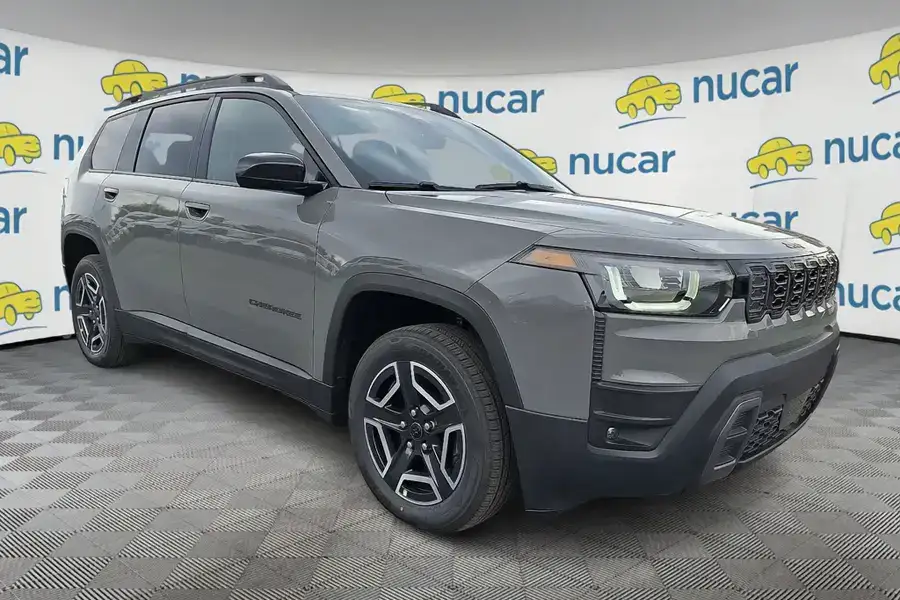
Hybrid vehicles improve efficiency without requiring you to plug in. That makes them one of the easiest fuel-saving choices for many Vermont shoppers.
A hybrid may be a strong match if your week includes town driving, commuting, school drop-offs, grocery runs, and occasional longer highway trips. You get the familiar range and refueling convenience of a gas vehicle, while the hybrid system helps reduce fuel use in many daily driving situations.
Hybrid SUVs are especially appealing for drivers who want fuel efficiency without giving up passenger space, cargo room, or available all-weather confidence. Hybrid trucks can also be compelling for shoppers who still need a bed, payload capability, and towing utility but want to be more thoughtful about fuel use.
Ford’s hybrid truck lineup is worth comparing because Ford has highlighted strong momentum for both the Maverick Hybrid and F-150 Hybrid.¹ The important shopping takeaway is simple: a hybrid truck can be a practical middle ground for drivers who need real utility but do not want to overlook efficiency.
Plug-In Hybrids Can Be a Smart Middle Ground
A plug-in hybrid electric vehicle, often called a PHEV, gives you electric driving capability for shorter trips while keeping a gas engine for longer drives.² That combination can work well for Vermont drivers who want to use less gas during the week but still want flexibility for winter travel, weekend plans, or longer routes outside their normal routine.
A plug-in hybrid may be worth considering if you:
- Can charge at home or at work
- Have a predictable daily commute
- Want to reduce gas use without going fully electric
- Still need SUV flexibility or available all-weather capability
- Want backup range from a gas engine for longer trips
The biggest point is charging consistency. A plug-in hybrid delivers its strongest value when you plug it in regularly. If you rarely charge, it may behave more like a traditional hybrid or gas vehicle, depending on the model and driving conditions.
For Jeep, Chrysler, Dodge, and Ram shoppers, electrified options can vary by model year and availability. Rather than assuming every plug-in hybrid is the same, compare the specific vehicle’s electric driving range, charging needs, gas-engine operation, drivetrain, and available features before deciding whether it fits your routine.
Shop New Plug-In Hybrid Vehicles
EVs Reward the Right Routine
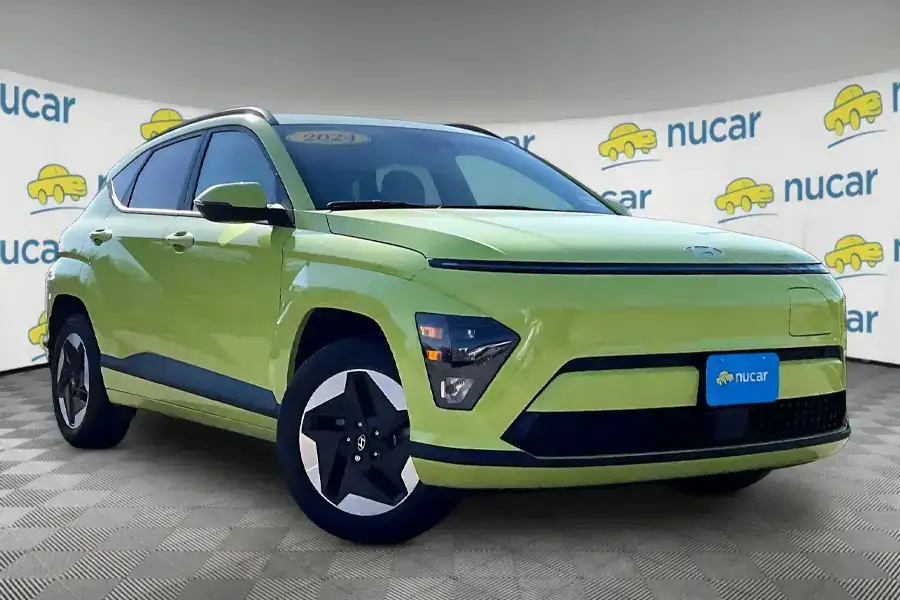
An electric vehicle can be an excellent solution when your driving pattern and charging access line up. EVs are especially convenient for drivers who can charge at home overnight or have dependable workplace charging. FuelEconomy.gov notes that many plug-in vehicle owners do most of their charging at home, with workplace and public charging also playing important roles.³
An EV may make sense if you:
- Have home charging or dependable charging access
- Drive predictable daily routes
- Want fewer gas-station stops
- Are comfortable planning charging for longer trips
- Value quiet driving and strong electric acceleration
Vermont’s public charging network is also continuing to develop. VTrans materials show ongoing NEVI program work, including remaining funding planned for additional public charging projects across the state.⁴ That does not mean every EV is right for every driver, but it does make EV research more relevant for shoppers who were hesitant in the past.
For a Vermont EV shopper, the best approach is practical: compare range, charging location, charging speed, winter range expectations, parking situation, and how often you drive beyond your normal daily route.
How Vermont Winters Affect Fuel Economy and EV Range
Cold weather changes real-world efficiency. That is true for gas vehicles, hybrids, plug-in hybrids, and EVs.
FuelEconomy.gov explains that cold weather and winter driving conditions can reduce fuel economy. It notes that conventional gasoline cars can see lower city fuel economy at 20°F compared with 77°F, with short trips affected even more. Hybrids and EVs can also be affected by cold temperatures, especially when cabin heat, defrosters, battery temperature, tire pressure, and short-trip driving are part of the routine.⁵
That does not mean fuel-efficient vehicles are a poor fit for Vermont. It means shoppers should compare efficiency with winter reality in mind.
For winter driving around Enosburg, Sheldon, Fairfax, or the Champlain Valley, pay attention to:
- Tires and tire condition
- AWD or 4×4 availability, if needed
- Ground clearance
- Battery and charging habits for EVs and plug-in hybrids
- Remote start or preconditioning features, where available
- Heated seats or steering wheel features that may reduce heavy cabin-heat use
- Cargo weight and roof racks, which can affect efficiency
A vehicle that performs well in Vermont is not just efficient on paper. It should also feel manageable on cold mornings, slushy roads, steep driveways, and busy winter weeks.
Fuel-Efficient Trucks Require a Different Kind of Comparison
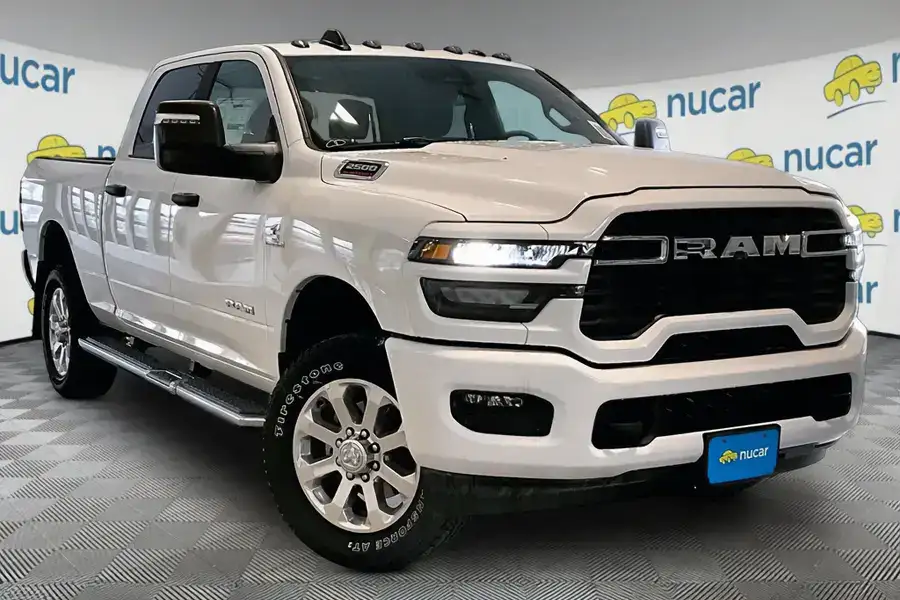
Truck shoppers should not compare fuel economy in isolation. A truck still has to do the work.
If you tow, haul, carry tools, maintain property, travel dirt roads, or use your truck for business, the right powertrain is the one that matches your job first and improves fuel use where possible. A smaller truck may be the efficient answer for light-duty errands and weekend projects. A hybrid truck may offer a useful blend of utility and efficiency. A full-size truck may still be the right choice if towing, payload, cab space, or 4×4 capability is non-negotiable.
Ram truck shoppers, for example, can compare several 2026 Ram 1500 engine options, including the 3.6L Pentastar V6 with eTorque, 3.0L Hurricane engine, and 5.7L HEMI V8 with eTorque.⁶ Each engine choice changes the balance of power, efficiency, towing capability, payload, and driving feel.
Before choosing a fuel-efficient truck, ask:
- What do I tow, and how often?
- How much payload do I actually need?
- Do I need 4×4 for winter, job sites, or rural roads?
- Is this truck mainly for work, commuting, family use, or all three?
- Would a midsize or compact truck solve the need?
- Do I need commercial capability or upfit-friendly options?
For work-focused shoppers, Nucar Vermont can also help connect the conversation to commercial inventory.
Used Fuel-Efficient Vehicles Can Be the Practical Answer
A used fuel-efficient vehicle may be the smartest move if your goal is to lower ownership costs without buying new. Pre-owned cars, compact SUVs, hybrids, plug-in hybrids, and used EVs can all make sense depending on your budget, commute, and comfort level.
Used fuel-efficient vehicles are especially helpful for shoppers who want to replace a larger or older vehicle with something easier on fuel. A pre-owned compact SUV may be a good fit for daily errands around Franklin County. A used hybrid may suit a commuter. A used EV may work well for a driver with home charging and predictable local mileage.
When comparing used fuel-efficient vehicles, look closely at:
- Mileage and service history
- Tire condition and brake wear
- Vehicle history reports
- Remaining warranty coverage, if applicable
- Battery health for used hybrids, plug-in hybrids, and EVs
- Charging equipment and charging compatibility for plug-in vehicles
- AWD or 4×4 availability if winter traction matters
- Total monthly cost, not just the listed price
A trade-in can also change the math. If your current vehicle uses more fuel than you want, valuing your trade can help you decide whether moving into a more efficient car, SUV, truck, hybrid, or EV makes financial sense. You can start with Nucar’s sell or trade tool before comparing options.
Shop Used Hybrid and Electric Vehicles
How to Compare MPG, MPGe, Payment, and Trade Value
Fuel economy is only one part of the ownership-cost picture. A vehicle with excellent MPG may not be the best fit if it does not have the space, traction, or capability you need. A slightly less efficient vehicle may be the better long-term choice if it replaces two needs with one dependable vehicle.
Use this process before you buy:
- Estimate your weekly mileage.
- Decide whether AWD, 4×4, towing, or cargo space is required.
- Compare gas, hybrid, plug-in hybrid, EV, and used options.
- Look at estimated fuel or charging cost.
- Factor in trade-in value.
- Compare finance or lease options.
- Test drive the vehicles that match your routine.
FuelEconomy.gov provides tools for comparing MPG, fuel cost, hybrids, plug-in hybrids, and EVs, which can be helpful when narrowing your list.⁷ Once you understand the fuel side, Nucar’s finance application can help you compare vehicle choices through the lens of your full budget.
Why Shop Fuel-Efficient Vehicles at Nucar Vermont?
Nucar Vermont gives St. Albans-area shoppers a practical place to compare new Ford, Chrysler, Dodge, Jeep, Ram, and pre-owned vehicles. That range matters when you are trying to balance fuel savings with Vermont driving needs.
The Nucar Network also helps shoppers access a wider selection across Nucar dealerships, so you can compare more vehicles while still working locally. For qualifying new non-lease non-EV vehicles, you can also ask about the 20/200 Protection Plan By Nucar, an exclusive 20-year, 200,000-mile protection plan available on eligible new vehicles. Exclusions apply, so see the dealer for complete details.
Frequently Asked Questions About Fuel-Efficient Vehicles in Vermont
What type of fuel-efficient vehicle works best in Vermont?
The best fuel-efficient vehicle for Vermont depends on your route, parking setup, winter driving needs, and cargo or towing requirements. Efficient gas cars, hybrid SUVs, plug-in hybrids, EVs, and fuel-conscious trucks can all make sense for different drivers.
Are hybrids good for Vermont winters?
Hybrids can be a good fit for Vermont drivers, especially when they offer the space, tires, drivetrain, and ground clearance your routine requires. Cold weather can reduce real-world efficiency, so shoppers should compare winter needs along with MPG.
Is an EV practical in Vermont?
An EV can be practical in Vermont if your daily driving range, charging access, and parking situation fit EV ownership. Home charging is especially helpful. Drivers who regularly take longer trips should also compare public charging access and cold-weather range expectations.
Should I buy a plug-in hybrid if I cannot charge at home?
A plug-in hybrid usually makes the most sense when you can charge regularly. If you cannot charge at home or at work, compare whether a traditional hybrid, efficient gas vehicle, or EV with convenient public charging may be a better fit.
Do fuel-efficient vehicles come with AWD or 4×4?
Yes, many fuel-efficient vehicles are available with AWD, and some trucks and SUVs offer 4×4 capability. Availability depends on the specific model, trim, and powertrain, so it is important to compare the exact vehicle rather than assuming every efficient option has the same drivetrain.
Are hybrid trucks a good choice for Vermont drivers?
A hybrid truck can be a strong choice if you want truck utility with improved fuel-conscious driving. The right fit depends on towing, payload, cab size, bed length, 4×4 needs, and how much of your driving is commuting versus hauling or work use.
Is a used hybrid or used EV a smart buy?
A used hybrid or used EV can be a smart buy when the vehicle’s condition, battery health, service history, warranty coverage, and charging needs fit your budget and routine. For used EVs and plug-in hybrids, charging access should be part of the decision from the start.
How should I compare MPG and MPGe?
MPG is used for gas and hybrid vehicles, while MPGe helps compare the energy use of plug-in hybrids and EVs. These numbers are useful, but they should be considered along with range, charging access, winter driving, vehicle size, and total monthly cost.
Can I finance a fuel-efficient vehicle at Nucar Vermont?
Yes, shoppers can explore financing options through Nucar Vermont. You can start online with the finance application, then compare vehicles based on budget, trade value, and the type of fuel-efficient vehicle that fits your needs.
Can I trade in my current vehicle for a more fuel-efficient car, SUV, truck, hybrid, or EV?
Yes, you can start by valuing your current vehicle with Nucar’s sell or trade tool. Your trade value may help you compare the real cost of moving into a more efficient vehicle.
Find a Fuel-Efficient Vehicle That Fits Vermont Driving
Fuel savings should make your vehicle easier to own, not harder to use. The right choice may be an efficient gas car, a hybrid SUV, a plug-in hybrid, an EV, a fuel-conscious truck, or a smart pre-owned option.
Start by comparing how you drive, what you need to carry, how much traction you want, and what kind of monthly budget feels comfortable. Then visit Nucar Vermont to explore inventory, value your trade, apply for financing, schedule a test drive, or find the Nucar location that works best for you. With the right fit, saving fuel can still feel practical, capable, and easy to live with — and that is one more reason Everyone Loves A Nucar!
Resources
¹ (Ford From the Road)
² (US EPA)
³ (Fuel Economy)
⁴ (CCRPC)
⁵ (Fuel Economy)
⁶ (ramtrucks)
⁷ (US EPA)
⁸ (vt.nucar.com)
0 comment(s) so far on How to Choose a Fuel-Efficient Vehicle for Vermont Driving