

How Much Ground Clearance Do You Actually Need in Vermont?
The ground clearance you need depends on the obstacles you regularly encounter. Start by identifying where your current vehicle scrapes or needs more room underneath, then compare the clearance and angles of the vehicles you’re considering. A steep driveway entrance may require a different comparison than a rutted gravel road.
For Vermont drivers, the goal is enough clearance for your routine while keeping the vehicle comfortable and practical every day. Explore new vehicles at Nucar Vermont or our pre-owned selection, and use your roads and driveway conditions to guide the comparison.
What Ground Clearance Measures
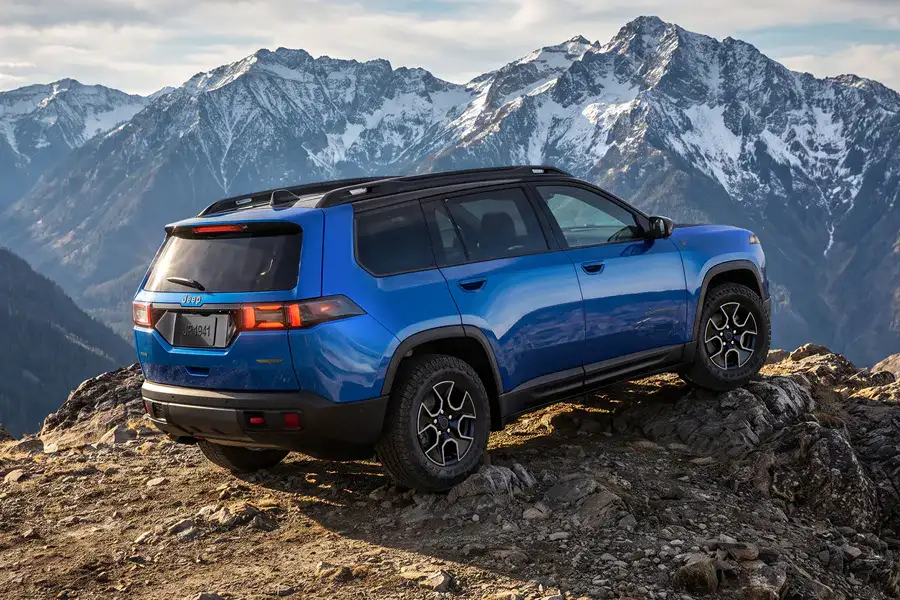
Ground clearance describes the distance between the ground and the vehicle’s lowest point. It helps you compare the space available beneath a vehicle.
Check the exact configuration when reviewing specifications. Trim, tires, suspension, and equipment can affect published clearance figures. An advertised maximum may apply to a particular configuration rather than every vehicle carrying that model name.
Start With the Roads You Actually Use
Separate your everyday needs from conditions you encounter occasionally.
| Your usual driving | What to prioritize |
| Maintained pavement and regularly cleared parking areas | Check troublesome driveway entrances, speed bumps, and everyday access. |
| Gravel roads with uneven surfaces or recurring ruts | Examine underbody clearance and the conditions that challenge your current vehicle. |
| Approved off-road routes with rocks, crests, or pronounced changes in slope | Compare clearance, approach, departure, and breakover angles alongside the vehicle’s other relevant capability. |
Consider how often you encounter a difficult condition and whether avoiding it is practical. That helps you choose around your regular needs instead of letting one unusual trip drive the entire decision.
A Steep Driveway May Be an Angle Problem
A Saint Albans driver whose vehicle scrapes at a steep driveway entrance may need to compare more than ground clearance. Where the vehicle touches matters: the front bumper, the underside between the wheels, and the rear end involve different measurements.
Three angles help explain those situations:
- Approach angle: How steep an incline the vehicle can approach before its front end contacts the ground.
- Departure angle: The corresponding clearance at the rear when leaving an incline.
- Breakover angle: How sharply the ground can crest beneath the vehicle before contacting its underside between the wheels.
Two vehicles with similar published ground clearance can have different shapes and angles. Identifying where your current vehicle scrapes helps make the comparison more useful.
Bring a photograph of a troublesome entrance when discussing your options. It can help explain the concern, although it cannot establish that a particular vehicle will clear it.
Look Closely at Gravel-Road Conditions
On an uneven road, consider raised ground between the tire tracks, exposed rocks, and abrupt changes in the surface. Vermont’s seasonal conditions can change those challenges, so a smooth summer visit may not represent your usual spring experience.
Describe the road you use when discussing vehicles with our team. A maintained gravel driveway and a deeply rutted access road present different needs. Additional clearance can provide more space underneath, while traction, overall vehicle capability, road condition, and driving decisions remain important.
Compare the Whole Winter Setup

Clearance concerns the space beneath the vehicle; traction concerns the tires’ grip on the surface. Both deserve attention when shopping for Vermont winters.
Consider clearance, suitable tires, drivetrain, and the roads you expect to use together. A published clearance figure is not a safe snow-depth rating: snow conditions vary, and obstacles may be hidden beneath the surface. Careful speed and attention to conditions remain essential regardless of vehicle height.
Check the Vehicle You’re Considering
Once you’ve narrowed your options, review the specifications and equipment of the actual vehicles.
Ask:
- Which trim, tire, and suspension configuration does the clearance figure describe?
- Are approach, departure, and breakover measurements available for that version?
- Has a used vehicle’s suspension or tire setup been modified?
- How could your usual passenger and cargo load affect ride height or clearance?
- Is the vehicle comfortable to enter, load, and drive every day?
Follow the vehicle’s load limits and owner’s-manual guidance. Alongside the capability comparison, check seat access, cargo loading, and driving comfort so the vehicle works for your daily routine.
Compare Your Options at Nucar Vermont
Contact Nucar Vermont to discuss your roads, driveway concerns, and the vehicles you’d like to compare. Our team can help you review the relevant specifications and take a closer look at your options.
Through the Nucar Network, we share new and pre-owned inventory across our dealerships. Eligible new, non-lease purchases also include the 20/200 Limited Protection Plan By Nucar, subject to restrictions, exclusions, and maintenance requirements. Through Nucar Cares, we support community organizations and initiatives that strengthen the places we serve.
Bring your questions and describe the conditions that matter most. Helping you find a vehicle that fits your Vermont routine is one reason Everyone Loves A Nucar!
20/200 Limited Protection Plan By Nucar available on eligible new vehicles only. Leased vehicles, used vehicles, new EVs, commercial use, police/fire/emergency use, snowplow use, competitive driving/racing, and vehicles driven by multiple unrelated drivers are excluded. Customers must follow the manufacturer’s maintenance schedule and have the vehicle serviced at Nucar dealerships if they live within 50 miles of a Nucar dealership. Non-transferable. See dealer for complete details.
0 comment(s) so far on How Much Ground Clearance Do You Actually Need in Vermont?